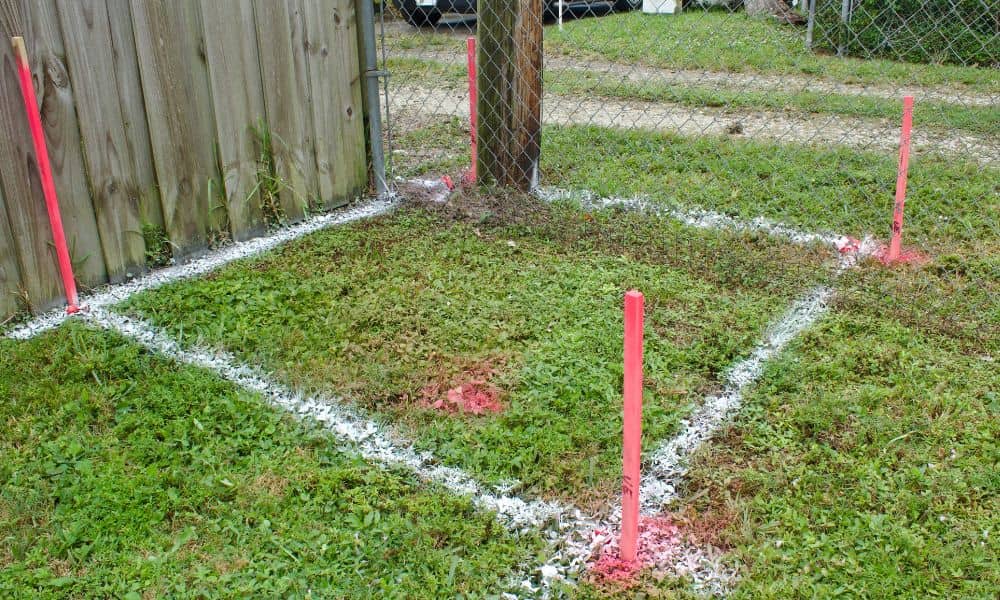
If you live in Rochester, you may have noticed something unusual lately. Survey stakes are popping up in yards. Neighbors are asking questions. Fence projects are getting paused. At the center of all this are boundary surveys, and they are bringing long-hidden property line issues into the open.
At first, it feels sudden. Nothing changed about your yard, right? However, once a boundary survey happens, the picture can look very different. As a result, small assumptions turn into real disagreements.
Why Boundary Surveys Are Showing Up More Often Right Now
Across Rochester, more homeowners are making improvements. People are replacing old fences, adding sheds, fixing driveways, or updating landscaping. Because of that, contractors and permit offices often ask for clear property lines before work begins.
In the past, many homeowners skipped this step. They relied on old fences or online maps. Now, requirements are tighter. Contractors want fewer risks. Permit reviewers want accuracy. So, boundary surveys get ordered more often.
At the same time, many neighborhoods are older. Property lines were set decades ago, long before modern tools existed. Over the years, fences moved, trees grew, and yards blended together. Once a survey brings exact measurements back into focus, problems surface.
Why These Disputes Feel So Sudden
For most people, property lines feel permanent. You mow the same grass every week. You maintain the same fence every year. Naturally, it feels like that land is yours.
However, use does not equal ownership. A boundary survey measures legal limits, not habits. When those limits differ from what people expect, emotions rise fast.
Even a small difference can feel personal. A few inches may not sound like much, yet it can affect where a fence goes or who owns part of a driveway. Because of that, homeowners often feel blindsided when survey results arrive.
The Most Common Conflicts Being Uncovered
Although every situation is different, certain disputes appear again and again.
Fence Lines: Old fences often went up without a survey. They followed trees, slopes, or conveniences. When someone replaces a fence today, a survey may show it cannot go back in the same place. That’s when neighbors disagree.
Shared Driveways and Side Yards: In some areas, driveways cross property lines. Side yards get shared over time. Everything feels fine until one owner wants to improve or sell. Then a boundary survey reveals the overlap.
Landscaping and Yard Features: Gardens, hedges, and retaining walls also cause trouble. They slowly expand past legal boundaries. Once measured, someone discovers that part of their yard is not theirs to keep.
What Survey Pins and Stakes Really Mean
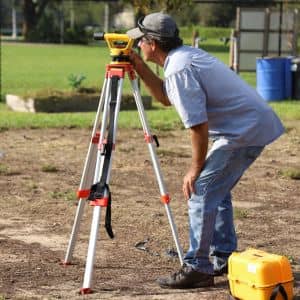
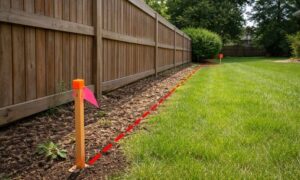
Seeing survey stakes can be alarming. Many homeowners assume something is wrong immediately. However, stakes simply mark measured points. They show where property corners or lines fall based on records and field work.
They do not mean someone is taking land. They do not mean a lawsuit is coming. They mean information is being clarified.
That said, survey markers matter. Removing or ignoring them can make things worse. Instead, they should be treated as a starting point for understanding the situation.
Why Online Maps Create So Much Confusion
Many disputes begin with online maps. Tax maps and property websites show approximate lines. They help with general planning, yet they are not legal boundaries.
Because these maps are easy to access, people trust them. Unfortunately, they can be off by foot. When a boundary survey disagrees with an online map, homeowners feel frustrated.
Still, only a licensed survey sets legal property lines. That’s why survey results override digital estimates, no matter how convincing those maps look.
How Neighbor Tension Builds After a Survey
At first, conversations are casual. Someone asks, “Did you know this fence might be over the line?” Soon, opinions clash. Emotions take over.
Often, both sides feel wronged. One neighbor feels they are losing land. The other feels accused. Without clear communication, the situation escalates.
This is why timing matters. Addressing concerns early keeps disputes from growing. Waiting only adds stress and resentment.
What to Do If a Boundary Survey Raises Questions
If a survey reveals an issue, the next steps matter more than the result itself.
First, review the survey carefully. Ask the surveyor to explain the findings in plain language. Understanding the details reduces fear.
Next, talk with your neighbor calmly. Share the information, not assumptions. Focus on facts, not blame.
In many cases, simple solutions exist. Fences can be adjusted. Agreements can be reached. Problems do not always need legal action, especially when handled early.
When Ordering a Boundary Survey Makes Sense
While surveys often appear during conflicts, they work best as prevention.
Ordering a boundary survey helps before:
- Replacing or building a fence
- Installing sheds or patios near edges
- Making driveway changes
- Buying or selling a home with unclear lines
By confirming boundaries early, you avoid surprises later. More importantly, you protect relationships with neighbors.
Why This Matters for Homeowners
Rochester’s mix of older properties and active home improvement creates the perfect setting for boundary confusion. As more people invest in their homes, surveys bring clarity back to long-assumed lines.
Although disputes feel stressful, the goal of boundary surveys is not conflict. Instead, they provide certainty. Knowing where your land begins and ends protects your investment and your peace of mind.
Final Thoughts
Boundary surveys are not creating problems out of nowhere. They are uncovering details that were always there. While that can feel uncomfortable, clarity is better than guessing.
If you notice survey stakes nearby or plan work near your property line, take it as a sign to learn more. Clear boundaries help projects move forward and keep neighborhoods friendly.
In the end, knowing your limits is not about losing ground. It’s about standing on solid ground with confidence.