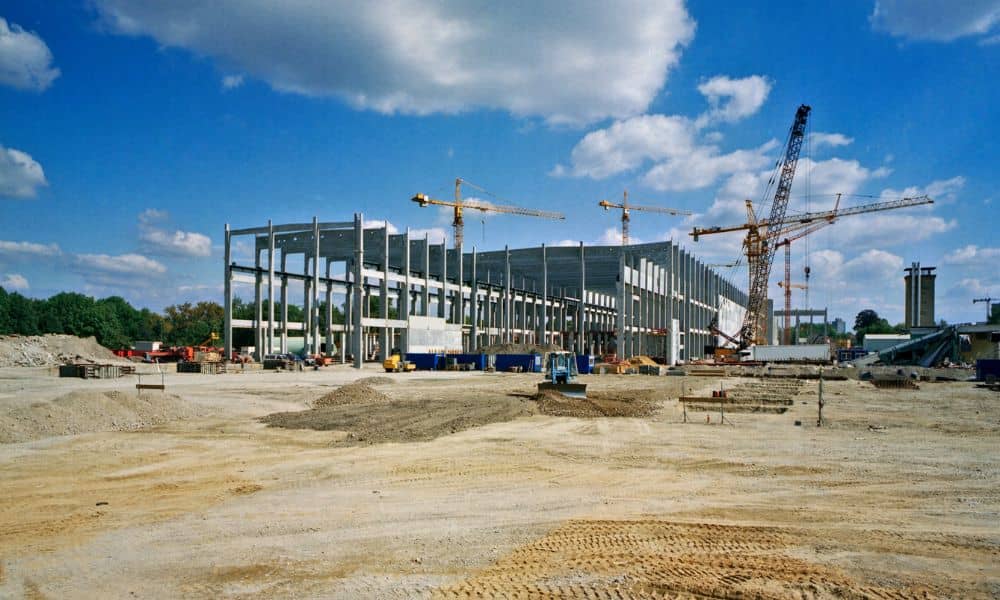
Development projects always begin with momentum. Investors see opportunity. Builders schedule crews. Communities expect growth. However, when a project stalls, that energy fades quickly. Recent development delays in Irondequoit show how fast progress can slow when questions about the property surface. In many cases, the problem does not come from poor design. Instead, uncertainty about the land itself causes the issue. A missing or delayed land survey often sits at the center of that uncertainty.
Although it may seem like a small step, a land survey lays the groundwork for everything that follows.
Why Development Projects Get Delayed
Every project must pass through several checkpoints. First, teams confirm property boundaries. Next, they review zoning limits and setbacks. After that, they submit site plans for approval.
However, when teams skip the survey stage, errors slip into the design.
Planning boards expect accurate boundary data. If a site plan shows incorrect property limits, reviewers send it back for revision. As a result, the timeline stretches. Engineers must adjust drawings. Resubmissions follow. Weeks pass.
In addition, utility lines and right-of-way limits must match the proposed layout. If designers rely on outdated information instead of a current land survey, conflicts appear later. That conflict leads to redesign work, and redesign work delays construction.
Therefore, what seems like a shortcut at the beginning becomes a roadblock later.
The Financial Cost Adds Up Fast
At first glance, skipping a land survey may look like a way to save money. However, the savings rarely last.
When engineers must revise grading plans or foundation layouts, they charge for that time. Consequently, developers pay twice—once for the original design and again for the correction.
Meanwhile, contractors face scheduling problems. Crews wait for updated plans. Equipment sits unused. Materials remain on site. Even short pauses increase overhead.
Financing also feels the impact. Lenders expect steady progress. Investors watch return timelines closely. Therefore, when delays extend beyond projections, interest costs rise and confidence drops.
Compared to these expenses, the cost of a professional land survey remains small.
Older Parcels Carry More Risk
Irondequoit includes many long-established properties. Over time, roads widen. Utilities expand. Zoning standards change. Because of this, older documents may not reflect current conditions.
For example, a property line recorded decades ago may not align perfectly with today’s right-of-way. Likewise, past subdivision maps may lack the detail required for modern development.
Developers who rely only on historic records take on extra risk. Instead, they need current field verification. A modern land survey confirms what exists on the ground today, not what appeared on paper years ago.
That clarity allows engineers and architects to design with confidence.
The Best Time to Order a Land Survey
Timing plays a major role in project success. Some teams wait until late in the design process to verify boundaries. Unfortunately, that approach creates avoidable stress.
The ideal time to order a land survey comes before finalizing the purchase, before starting civil design, and before submitting plans for review. When teams begin with confirmed data, they avoid redesign cycles later.
Early verification also helps with permit applications. Planning boards appreciate clean, accurate submissions. As a result, approvals move faster and with fewer corrections.
In short, early clarity prevents late disruption.
How a Land Survey Supports the Entire Team

Development requires coordination. Architects design building layouts. Civil engineers manage grading and drainage. Contractors execute construction. Lenders oversee financing.
However, all of them rely on accurate boundary information.
A professional land survey provides verified property lines, right-of-way limits, recorded easements, and accurate dimensions. With this data, engineers create dependable base maps. Architects place structures correctly. Contractors stake foundations precisely.
Because everyone works from the same verified information, mistakes decrease. Communication improves. Momentum stays strong.
Therefore, a land survey does not serve just one professional. It supports the entire project team.
Reactive vs. Proactive Development
Some developers take a reactive approach. They design first and verify later. When problems appear, they adjust. While this method may seem faster, it often creates more work in the long run.
Other developers choose a proactive path. They confirm the land conditions first. Then they design within real, verified limits. As a result, they reduce surprises and protect their timeline.
The proactive approach builds trust with municipalities and investors. Clean submissions signal professionalism. Accurate layouts show preparation.
Because of that, projects move forward with fewer interruptions.
Lessons from Irondequoit
The recent delays in Irondequoit highlight a simple truth: uncertainty slows progress.
When property information remains unclear, projects stall. Teams pause. Costs increase. Momentum fades.
On the other hand, when developers start with a professional land survey, they remove many unknowns. They design with accuracy. They submit stronger plans. They reduce the risk of last-minute corrections.
While no project avoids every challenge, early boundary verification removes one major source of delay.
Final Thoughts
Real estate development already involves market changes, material costs, and weather conditions. Developers should not add preventable land uncertainty to that list.
A land survey does more than mark lines on a map. It protects schedules. It supports financing. It strengthens planning submissions. Most importantly, it keeps projects moving forward.
If you plan to build, expand, or invest in Irondequoit or anywhere in Monroe County, start with clarity. Confirm the land first. Then design and build with confidence.
Because in development, time equals money—and certainty protects both.