
New development projects already face tight schedules, rising costs, and complex approvals. Lately, however, another issue has started slowing projects down—often without warning. That issue is the flood elevation certificate.
Many developers don’t expect this document to affect early planning. In the past, flood elevation details often came later in the process. Today, that has changed. Cities, engineers, and reviewers now look for flood elevation data much earlier. As a result, projects that seem ready to move forward can suddenly stall.
A New Delay Developers Didn’t Plan For
Across many regions, development reviews have become stricter. Local agencies now look closely at flood-related risks before they approve permits or site plans. Because of this shift, the flood elevation certificate has become a key checkpoint instead of a final detail.
Developers often discover the issue during plan review. Everything looks complete, yet the project hits a pause. Reviewers ask for elevation confirmation before moving forward. Until that document arrives, approvals stop.
This delay feels frustrating because nothing about the site appears different. However, the rules around flood compliance have tightened.
Why Flood Elevation Certificates Are Required Earlier Now
Several factors pushed flood elevation review to the front of the process.
First, communities have seen more intense rain events. Flooding now affects areas once considered low risk. Because of that, municipalities want proof that new construction sits high enough to stay safe.
Second, local governments face pressure to reduce future flood damage. Approving buildings that sit too low can lead to costly problems later. As a result, reviewers want elevation data before construction begins.
Finally, floodplain coordination now connects closely with grading, drainage, and foundation design. If elevation issues appear late, redesigns cost time and money. Early review helps prevent that.
How Missing Certificates Stall Active Projects
When a flood elevation certificate is missing, development rarely moves forward. In many cases, projects freeze mid-process.
Plan reviewers may return site plans with comments asking for elevation data. Permit applications may sit in review without approval. In some cases, grading work finishes, yet foundation work cannot begin.
Each delay creates a ripple effect. Contractors must reschedule. Engineers revise plans. Project managers scramble to keep timelines intact. Meanwhile, holding costs continue to grow.
The Common Assumption That Causes These Delays
Many developers assume flood elevation checks come later. That belief made sense years ago. Today, it causes problems.
Some teams rely on preliminary topographic data. Others expect engineers to address flood issues during final design. However, reviewers now want verified elevation data tied directly to the building design.
The flood elevation certificate now acts as confirmation that the project meets floodplain rules before construction starts. When teams treat it as an afterthought, delays follow.
How Flood Elevation Affects Site and Building Design
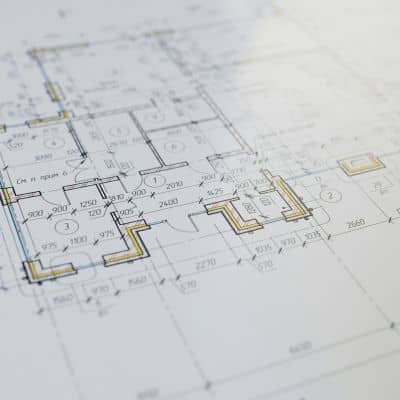
Flood elevation data does more than satisfy a requirement. It shapes design decisions.
Finished floor elevations often change once flood data becomes clear. Foundations may need to rise higher than planned. That adjustment affects ramps, stairs, and access points. It also impacts grading and drainage patterns across the site.
When flood elevation details arrive late, designers must revise plans. Those revisions trigger new reviews, which extend timelines further. Early elevation confirmation avoids this cycle.
The Real Cost of Ordering a Certificate Too Late
Delays tied to flood elevation review rarely stay small.
Design teams may need extra hours to revise drawings. Contractors may pause work or move crews to other jobs. Loan interest and land carrying costs add up while projects wait.
In some cases, delayed approvals push construction into bad weather seasons. That shift raises costs even more. What started as a missing document turns into a budget issue.
When a Flood Elevation Certificate Should Be Ordered
Timing makes the difference between smooth progress and stalled development.
Developers should plan for a flood elevation certificate during early due diligence. That step allows teams to confirm building heights before designs lock in.
Ordering the certificate before site plan submission also helps. Reviewers can check flood compliance right away instead of requesting revisions later.
Most importantly, elevation data should be ready before final foundation design. That timing keeps grading, drainage, and structure plans aligned from the start.
Why Early Survey Coordination Matters
Surveyors play a key role in flood compliance. When survey work starts early, teams avoid surprises.
Early coordination allows survey data to support engineering plans instead of chasing them. It also reduces back-and-forth during review.
Developers who treat survey input as part of planning—not cleanup—see faster approvals. They also avoid redesign costs tied to elevation conflicts.
Flood Compliance Is Now a Planning Issue
Flood rules did not suddenly appear. What changed is how early they matter.
Today, the flood elevation certificate affects feasibility, design, and scheduling. It no longer sits quietly at the end of the process. Instead, it shapes decisions from the beginning.
Developers who recognize this shift gain an advantage. They move through review faster, control costs better, and reduce risk. Meanwhile, those who wait often face avoidable delays.
Final Thoughts
New development always involves moving parts. Still, delays tied to flood elevation often catch teams off guard.
The solution starts with awareness. When developers plan for flood elevation early, projects move with fewer interruptions. The certificate becomes a tool, not a roadblock.
In today’s review environment, early preparation saves time, money, and frustration. And that makes all the difference between a stalled project and a successful one.