
If your neighborhood is talking about new housing or zoning changes, now’s the time to pay attention. Before any vote or new construction starts, one thing matters most — a boundary line survey. A boundary line survey shows where your property begins and ends. When neighborhoods discuss redevelopment, these lines can decide whether a project moves forward or stalls. Knowing your property limits helps avoid delays, disputes, and costly mistakes.
The Ripple Effect: How NYC’s Housing Changes Affect Rochester
Earlier this week, New York City voters supported ballot measures to speed up affordable housing projects. The goal is to cut red tape and move developments faster. But what happens in New York City often spreads across the state.
That means cities like Rochester could soon face tighter project timelines and more zoning updates. Local boards might push for quicker approvals, while builders rush to submit plans. In that environment, even a small error — like a fence over the property line — can stop progress.
A boundary line survey protects you from that. It gives planners and lenders a clear picture of your lot before redevelopment votes take place.
Why Boundaries Matter So Much
A few inches may not sound like much, but in real estate, they can decide everything. Boundaries define where you can build, how far from the property edge, and what belongs to you.
During redevelopment, zoning boards rely on exact measurements to check setback rules and easements. If property lines are unclear, they often delay hearings until a certified survey is provided. That can mean weeks or even months of waiting.
A boundary line survey confirms ownership, stops confusion, and shows where fences, sheds, and driveways actually sit. It’s the kind of small detail that keeps big projects moving.
Rochester’s Growth and the Pressure on Old Lots
Rochester and Monroe County are seeing new interest in infill development — small homes and ADUs built on leftover land between existing houses. It’s a smart way to grow, but older lots can hide boundary problems.
Some plats date back decades, drawn before GPS or digital mapping. Over time, markers shift, trees fall, or old fences disappear. That’s when mistakes happen.
If your block is considering a rezoning or redevelopment proposal, having a boundary line survey makes sure your property is mapped correctly. It brings clarity to neighborhood discussions and avoids last-minute disputes when plans reach the city board.
A Simple Story: The Fence That Almost Stopped a Vote
A Rochester homeowner recently supported a rezoning for a new duplex next door. When a surveyor reviewed the lot, they found a fence built almost a foot inside the applicant’s property. That small error could have pushed the project out of compliance.
Luckily, the issue was caught early thanks to a boundary line survey. The owner fixed it before the hearing, and the vote went ahead smoothly.
This story shows why boundaries matter — not because they’re exciting, but because they prevent headaches.
How a Boundary Line Survey Works
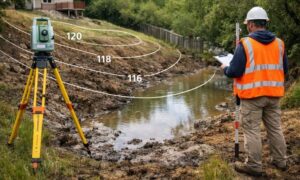
A surveyor starts by checking public records like deeds and plats. They use GPS or total stations to find and measure your corners. Then they compare what’s on the ground with what’s recorded in county data.
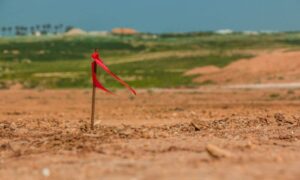
If something doesn’t line up — like a misplaced fence or missing pin — it’s marked clearly on the final map. You get a drawing that shows your true property lines, including any overlaps or easements.
This isn’t just for paperwork. It’s a legal document that lenders, zoning boards, and even courts recognize. When redevelopment heats up, it gives you proof — not guesswork.
Avoid Common Redevelopment Delays
When new projects hit the agenda, every day counts. These are the most common problems that happen without a current boundary line survey:
- Permits delayed because staff can’t confirm lot size or setbacks.
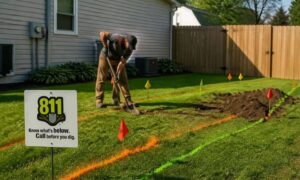
- Neighbor complaints when fences or driveways cross unseen lines.
- Financing slowdowns when lenders demand updated boundary proof.
- Design changes after construction begins because limits were off.
Each of these issues adds time and cost. The easiest way to avoid them is to handle your boundary work before plans move forward.
Don’t Wait Until After the Vote
Once redevelopment passes, surveyors get busy. Downstate’s housing push could create survey backlogs across upstate New York, especially in growing areas like Rochester.
Getting your boundary line survey early means you won’t be stuck waiting later. It also helps your proposal stand out — planners respect homeowners who come prepared with solid data.
Think of it like getting your homework done before class. When the city starts reviewing new zoning requests, you’ll be ready.
Building Smarter Communities
Redevelopment brings opportunity. It can revive older neighborhoods, boost property values, and make housing more affordable. But growth only works when it’s built on accurate information.
Boundary line surveys give everyone — from residents to developers — the same map to work from. They help keep meetings civil, projects legal, and progress fai
Final Thoughts
Rochester is changing fast, and more neighborhoods will soon face redevelopment talks. Before you vote or plan any improvements, make sure you know exactly where your land stands.
A boundary line survey is more than a document — it’s peace of mind. It protects your property, speeds up approvals, and helps your community move forward without conflict.
Before the next neighborhood vote, check your lines. You’ll thank yourself later.