
Many people say, “I just need a property survey.” However, that sentence can mean very different things. Some people plan to buy a home. Others want to build a fence, fix drainage, or settle a boundary question. Because each goal differs, the right property survey also differs.
So if you order the wrong type, you can lose time, delay permits, or pay twice. That’s frustrating. The good news is simple: when you match the survey to your real need, the process becomes smooth and predictable.
Start With Your Real Goal — Not the Survey Name
First, forget the technical labels. Instead, ask yourself one clear question:
What decision will this property survey support?
For example, are you trying to close a sale, build something, or solve a land problem? Your purpose should drive the survey type — not the other way around.
Here are the most common situations.
If you plan to buy or sell property, you need a property survey that supports the transaction and confirms key site facts.
If you plan to build or add something, you need a property survey that clearly shows boundaries and setback distances.
If you face a boundary concern, you need a property survey that focuses on line location and corner marking.
If you want to fix drainage or grading, you need a property survey that shows ground shape and elevation.
If you plan to divide land, you need a property survey that supports lot layout and approvals.
As you can see, each goal points to a different survey approach.
Not All Property Surveys Show the Same Information
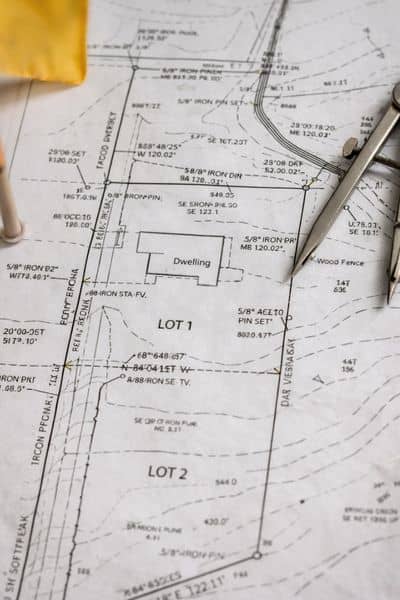
Next, it helps to understand what different survey types actually deliver. While names vary by region, the purpose stays consistent.
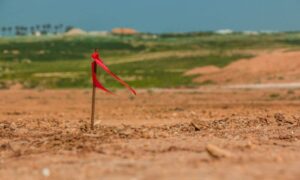
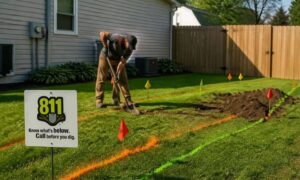
A boundary-focused property survey answers one main question: where are the true property lines? Surveyors research records, recover corners, and mark lines. Therefore, this type works best for fences, additions near edges, and disputes.
A closing-oriented property survey supports real estate transactions. Lenders and title teams often request it. It confirms improvements and general boundary relationships. However, it may not include full corner marking unless requested.
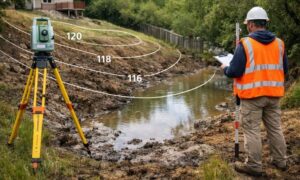
A terrain or elevation property survey shows slopes, high points, and low areas. Builders and designers use it for drainage and site planning. As a result, it helps prevent water problems and grading mistakes.
A construction layout property survey places planned features on the ground. Crews use it to position buildings, walls, and utilities correctly. So this survey comes after design, not before.
A subdivision property survey supports lot splits and new parcel creation. It follows planning rules and approval steps.
Notice the pattern: each property survey serves a decision.
Why People Order the Wrong Property Survey
Even smart property owners make this mistake. They order what sounds familiar instead of what fits the project.
For instance, someone copies a neighbor’s survey type. Unfortunately, their projects differ. Someone else orders the cheapest option without checking scope. Later, the city or lender rejects it. Then they must reorder.
Also, many people try to reuse an old survey. That rarely works well. Conditions change. Rules change. Project goals change.
So instead of guessing, describe your goal clearly when you call. That single step prevents most mismatches.
Online Maps Do Not Replace a Property Survey
Today, many websites show parcel lines. While those maps look helpful, they do not replace a property survey.
GIS maps, real estate listings, and phone apps often show approximate lines. They help with planning, but they do not establish legal boundaries. Therefore, builders, lenders, and permit offices will not accept them as proof.
If your project depends on line location, you still need a real property survey. Otherwise, you risk building in the wrong place.
Prepare a Few Things Before You Call
Now let’s make this practical. Before you request a property survey, gather a few basic items. This step helps the surveyor guide you faster.
Try to have:
- Property address
- Parcel or tax ID (if known)
- Your deed or legal description
- Any old survey copies
- Your project plan (fence, addition, closing date, permit need)
- Your timeline
Additionally, take photos of visible corners, fences, or markers if you can. That often helps with planning the field visit.
Because of this prep, your quote and schedule will match your real need more closely.
How to Explain Your Project Clearly
When you speak with a survey office, clarity matters more than technical words. You don’t need jargon. You just need purpose.
For example, say:
“I’m buying this property and my lender requires a property survey before closing.”
Or:
“I plan to build a fence along the back side and need to know the exact line.”
Or:
“I want to fix backyard drainage and need elevation information.”
That simple explanation guides the survey type. Then the surveyor can recommend the right property survey scope.
Timing Matters More Than Most People Think
Many owners wait too long to order a property survey. Then pressure builds. Permits stall. Closings get tight. Contractors wait.
Instead, order your property survey early in the project timeline.
Before design starts, confirm boundaries. Before permit submission, confirm setbacks. Before closing week, confirm lender needs. Before construction starts, confirm base data.
Early surveys reduce change orders and redesign costs. So timing protects your budget.
One Project May Need More Than One Property Survey
Sometimes a project moves in stages. Therefore, one property survey leads to another later.
For example, a boundary property survey may come first. Then construction layout follows after design approval. Or a terrain survey may guide engineering, followed by layout staking.
That sequence is normal. It does not mean the first survey failed. It means the project progressed.
Think of surveys as decision tools at each step — not one-size documents.
A Simple Self-Check Guide
If your main goal is buying or refinancing → you likely need a transaction-focused property survey.
If your goal is building near edges → you likely need a boundary-focused property survey.
If your goal is solving water or slope issues → you likely need a terrain-focused property survey.
If your goal is placing planned structures → you likely need a layout property survey.
If your goal is dividing land → you likely need a subdivision property survey.
This quick match saves time right away.
Final Thoughts
Choosing the right property survey does not require technical training. You just need to match the survey to your decision. Start with your goal, explain your project clearly, and order early.
Most confusion happens when people focus on the survey name instead of the purpose. However, when purpose leads, the right property survey becomes obvious.
And when you choose correctly, your project moves forward with confidence instead of guesswork.