A recent viral story caught a lot of attention. A homeowner believed her fence marked the edge of her yard. However, she later found out she had to deal with land beyond that fence. The fence looked right, yet it did not match the real boundary. At first, it sounds unusual. Still, this kind of situation happens more often than people think. Even in Rochester, many homeowners trust what they can see. A fence, a row of grass, or a line of trees feels like a clear border. However, only property line markers show where your land truly begins and ends.
So before you build, plant, or make any big changes, it helps to take a step back and really understand where your boundary sits—often, that means taking the time to understand your actual property boundaries with a survey.
The Viral Story Shows a Common Mistake
In that viral case, the homeowner relied on the fence. After all, fences feel permanent. They look official, and they stay in place for years.
However, the legal boundary told a different story.
Because of that, the homeowner faced confusion and extra work. The situation became stressful, and it could have been avoided.
This matters because many people make the same mistake. They assume that what they see must be correct. Yet in reality, visible lines often do not match legal ones.
That is where property line markers become important.
What Property Line Markers Really Represent
Property line markers are not just random objects in the ground. Instead, they mark the exact corners of your property.
A licensed surveyor places these markers after studying legal records and taking careful measurements. As a result, they show the true boundary based on official data.
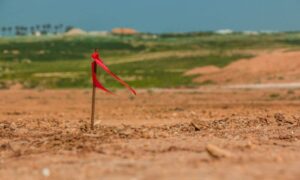
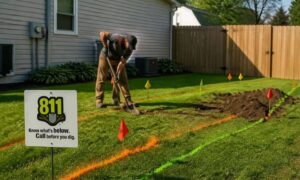
Sometimes, these markers are easy to spot. Other times, they sit under grass or soil, so they are harder to find, which is why many homeowners are not always sure where your property line markers are located.
Even so, they carry more weight than anything you can see above ground. They connect your land to recorded maps and documents.
Because of that, property line markers serve as the most reliable guide to your property lines.
Why Fences Often Tell the Wrong Story
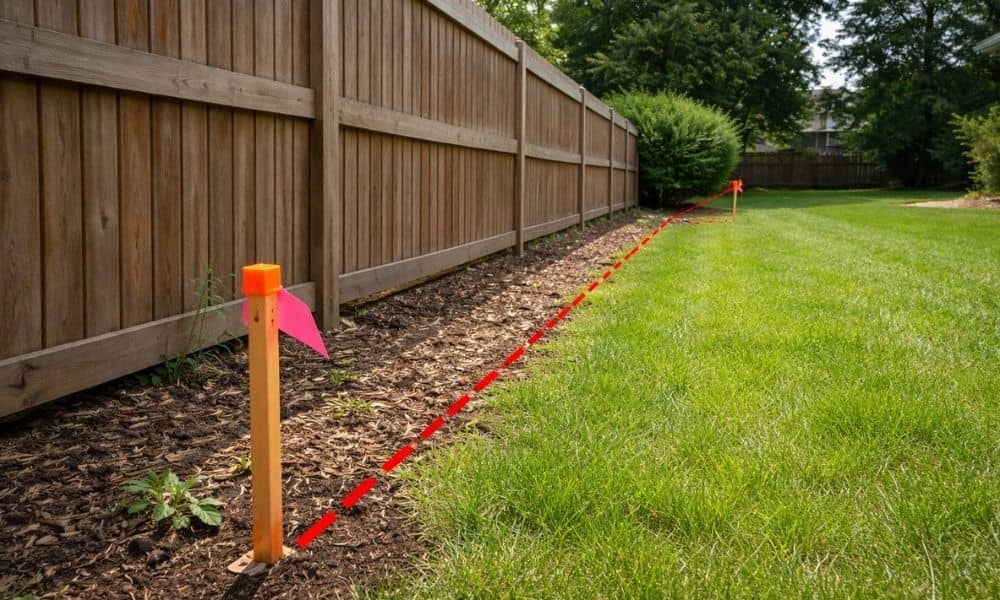
Fences seem simple. You build one, and it marks your space. However, fences often go up without a survey.
For example, a homeowner may place a fence where it feels convenient. They may avoid a tree or follow a straight path without checking the exact line.
Over time, this creates a gap between what looks right and what is legally correct.
So while a fence may stand for years, it does not guarantee accuracy.
In fact, many boundary disputes start because someone trusted a fence instead of checking property line markers.
Everyday Situations Where This Becomes a Problem
Many homeowners only discover this issue when something goes wrong.
You might plan to install a new fence, thinking you know where the line sits. However, once the work begins, a neighbor raises concerns.
Or maybe a neighbor starts using part of your yard. At first, it seems harmless. Later, it turns into a disagreement about ownership.
In other cases, structures like sheds or driveways end up crossing into the wrong area. These situations often stay hidden for years. Then suddenly, they become a serious problem.
In each case, the root issue comes back to one thing. The true boundary was never confirmed through property line markers.
Small Mistakes Can Turn Into Bigger Costs
At first, a boundary mistake may seem minor. However, the cost can grow quickly.
You may need to move a fence or remove a structure. In some cases, you may even deal with legal issues.
On top of that, disputes with neighbors can become stressful. What starts as a small concern can turn into a long conflict.
Also, unclear boundaries can slow down a home sale. Buyers often want clear proof of property lines before moving forward.
So while it may feel easier to guess, taking that risk often leads to bigger problems later.
Finding Property Line Markers on Your Property
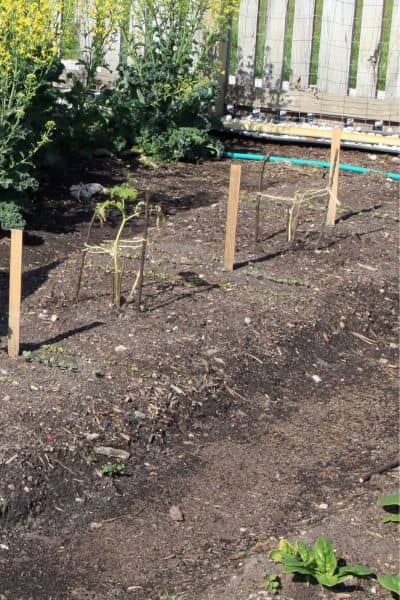
Some homeowners try to locate their markers on their own. In certain cases, this works.
You can start by checking the corners of your lot. Look closely near edges or fence lines. Sometimes, you may spot a small metal rod or cap.
You can also review any survey documents from your home purchase. These may show where markers should be.
However, online maps can be misleading. They provide a rough idea, yet they do not show exact legal boundaries.
So while they may help you understand the layout, they cannot replace real property line markers.
When a Surveyor Makes the Difference
In many situations, calling a licensed surveyor is the best step.
Before building anything permanent, it helps to confirm your boundary. This includes fences, driveways, and other structures.
Also, if you cannot find your markers or if something seems off, a surveyor can help.
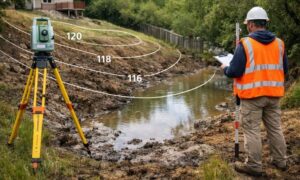
They use proper tools and records to locate or reset property line markers. As a result, you get a clear and accurate understanding of your property.
This step may seem small, yet it can prevent major issues later.
Why This Matters for Rochester Homeowners
Rochester has many older properties. Because of that, boundaries often come from older maps.
Over time, markers can become buried or hard to see. Landscaping, weather, and construction can all affect them.
At the same time, more homeowners continue to improve their properties. With new projects comes a higher chance of boundary questions.
Because of this, understanding your property line markers becomes even more important in this area.
The Truth Is Not Always Visible
The viral story made one thing clear. What you see is not always what you own.
A fence may look like a boundary. However, it does not define legal ownership.
Only property line markers provide that level of certainty.
So before you rely on what looks right, take a closer look. A simple check today can help you avoid bigger problems tomorrow.