
Distressed property catches attention right away. The price is lower than nearby listings, and the upside looks strong. Many buyers in Rochester see this as a chance to get ahead.
But the land behind those deals often tells a different story.
Some of these properties sat empty for years. Others went through foreclosure. In many cases, no one checked the site closely before listing it. So while the paperwork looks clean, the ground may not match it.
That gap creates risk. A due diligence survey closes that gap before money changes hands.
Distressed property rarely stays simple
A normal home sale follows a clear path. Distressed deals don’t work like that.
These sites often carry a long history. Over time, parcels get split, combined, or used in ways that never made it into official records. In some cases, buildings get removed but traces remain. Old driveways, paths, and access points still affect how the land works.
Because of that, the layout you expect may not exist anymore.
You might walk the site and notice things that don’t line up. A neighbor may use part of the land. A boundary may sit in a different spot than expected. The longer a property sits unused, the more these issues show up.
Paper records don’t always match the ground
Buyers trust documents, and that makes sense. Title reports and maps look official, so they feel reliable.
Still, those records are based on older information. If nothing gets updated, mistakes can stay in place for years.
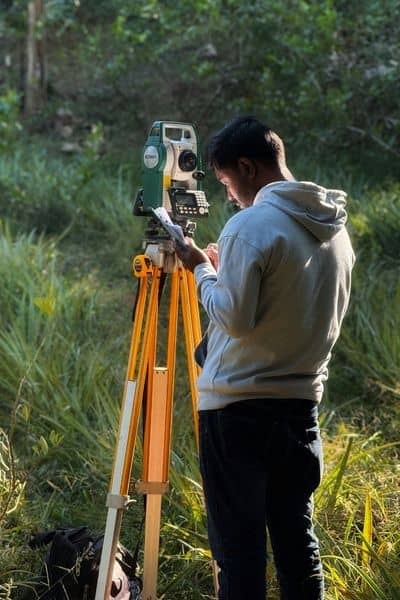
That’s where seeing the property in real terms starts to matter more. A land survey before buying property gives you a clearer view of what’s actually there. You can see where the boundaries sit, how the parcels connect, and how the site fits with everything around it.
Once you compare that to what’s on paper, the differences stand out. Sometimes they’re small. Other times, they change the entire deal.
Timing matters more than most buyers expect
Some buyers wait until after closing to deal with survey work, and that’s where problems start. Once the purchase is done, anything that’s off becomes yours to handle. Fixing it can take time, cost more than expected, or even force you to change your plans.
It’s much easier to sort things out earlier. Getting a due diligence survey before buying a distressed property helps you see what’s actually there before you commit. You’re not relying on assumptions. You’re working with real information.
In fast deals, though, this step often gets skipped. Buyers feel pressure to move quickly, so they push forward and hope everything lines up.
Sometimes it does. A lot of times, it doesn’t.
What buyers often discover too late
Distressed properties hide problems that don’t show up in listings.
Access can look open but turn out to be shared or unclear. Parcels may not align the way they appear on paper. Neighbors might use parts of the land without any formal record. Old site layouts can limit how the property can be used.
Each of these affects what you can build or how you can use the space.
In some cases, buyers find out that their plans won’t work at all. That’s a hard place to be after closing.
Why this shows up often in Rochester
In areas like Rochester, where many properties have long ownership histories, gaps in records are more common.
Some properties changed hands several times. Others stayed unused for long periods.
That kind of history leaves gaps.
Records may not reflect current conditions. Land use may have shifted over time without updates. When a property goes into foreclosure or sits vacant, no one steps in to fix those details.
So when it finally sells, the next buyer inherits those issues.
That’s why local deals often need a closer look before moving forward.
The role of a due diligence survey in these deals
A due diligence survey gives buyers a clear view of the site before they commit. A due diligence survey helps confirm what you’re actually getting before closing.
It shows how the land actually sits. It checks how parcels line up. It reveals how the property connects to surrounding areas.
That information helps you make a real decision, not just a hopeful one.
Without it, you rely on assumptions. With it, you work with facts.
Skipping this step can stall everything
Some buyers try to save time or cut costs by skipping the survey. That choice can slow things down later.
Projects may hit delays because the site doesn’t support the original plan. Designs may need to change. Financing can get held up if details don’t match expectations.
In some cases, the value of the deal drops after purchase.
That kind of setback costs more than the survey ever would.
Clarity before commitment
Distressed property can still be a strong investment. Many good projects start that way.
The difference comes down to what you know before closing.
A due diligence survey gives you a clear picture of the land. It shows what works and what doesn’t. It helps you move forward with confidence or step back before taking on risk.
That decision shapes everything that comes next.