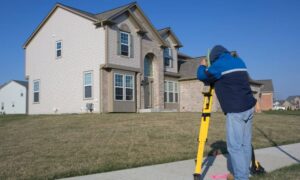
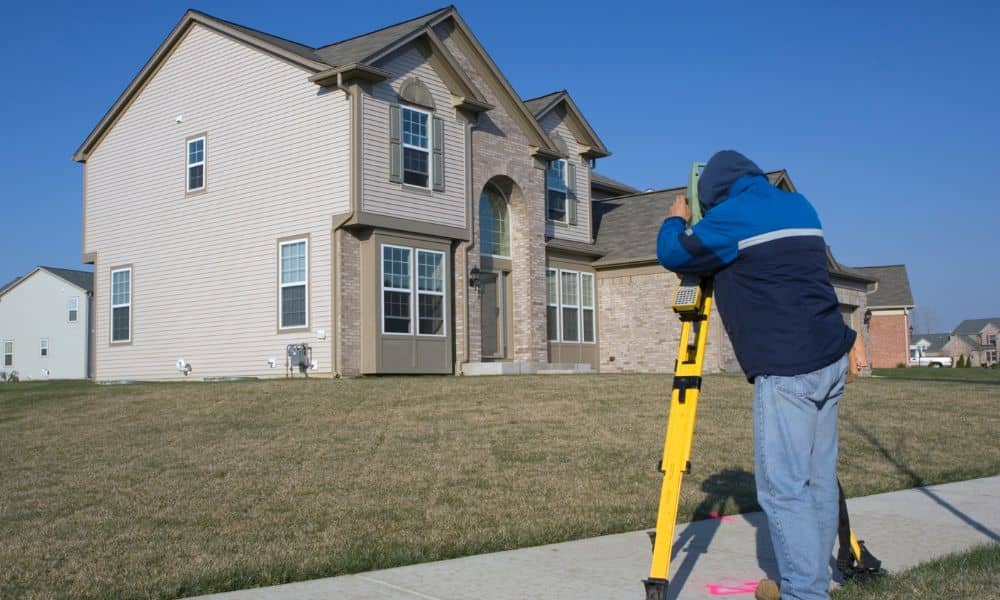
Searching for a licensed land surveyor near me usually means one thing: you need answers fast, and you don’t want to waste money. Maybe you’re buying a home, planning a fence, starting construction, or dealing with a property line issue. Whatever the reason, land surveying can feel confusing and expensive if you’ve never hired a surveyor before.
The good news is this: you can find a qualified, licensed land surveyor without overpaying. You just need to know what to look for, what questions to ask, and what mistakes to avoid. Let’s break it down in a clear, real-world way.
Why “Licensed” Matters More Than Price
When people search for a licensed land surveyor near me, price often comes first. That’s understandable. However, focusing only on cost can backfire.
A licensed land surveyor is legally allowed to perform surveys that cities, lenders, courts, and builders accept. This license proves they met education, testing, and experience requirements. More importantly, it protects you.
If you hire someone who is not licensed, the survey may be rejected. As a result, you could pay twice, delay your project, or even face legal trouble. So while a lower price may look good upfront, it often costs more in the long run.
Why Survey Quotes Can Be So Different
One common frustration is getting quotes that vary by hundreds or even thousands of dollars. At first, that feels unfair. However, survey pricing depends on many factors, not just property size.
For example, older properties often require more research. Properties with unclear boundaries, past subdivisions, or missing records take longer to verify. In addition, land with slopes, trees, fences, or limited access requires more field work.
Because of this, a cheaper quote may leave out important work. On the other hand, a higher quote may include research, staking, and clear documentation that prevents future problems. That difference matters.
How People Accidentally Overpay for Surveys
Overpaying does not always mean paying the highest price. In fact, many people overpay by making avoidable mistakes.
One common issue is ordering the wrong type of survey. For instance, a mortgage survey may not work for construction, and a boundary survey may not satisfy a lender. When the survey does not meet the real need, you must order another one.
Another issue is rushing. Tight deadlines often lead to rush fees or poor communication. Also, hiring a surveyor who does not work locally can cause delays due to unfamiliar records or requirements.
Therefore, clarity at the start saves money later.
What to Ask Before Hiring a Licensed Land Surveyor Near Me
Asking the right questions helps you compare value instead of price alone. More importantly, it shows whether the surveyor understands your situation.
Start by asking if they are licensed in your state. Then, ask what type of survey fits your goal. A good surveyor explains this clearly, without pressure.
Next, ask what the price includes. Does it cover research, field work, stakes, drawings, and revisions? Also, ask how long the work will take and what could change the cost.
Finally, ask whether the survey will be accepted by your city, lender, or builder. Clear answers here prevent surprises later.
Why Local Experience Saves You Money
The phrase “near me” should mean more than distance. Local experience often saves time and money.
Local surveyors know where to find records, how local parcels were created, and what the city expects. They also understand common boundary issues in the area, such as shared driveways or older lot descriptions.
Because of this, local surveyors often avoid delays that out-of-area firms face. Fewer delays mean fewer revisions, which keeps costs under control.
Red Flags That Often Lead to Overpaying
Some warning signs may not seem serious at first. However, they often lead to higher costs later.
Be careful with quotes that seem too vague. If the scope of work is unclear, the final price may rise. Also, extremely low prices can signal missing steps or rushed work.
Poor communication is another red flag. If emails go unanswered or explanations feel unclear, problems usually follow. A reliable surveyor explains the process in simple terms and stays responsive.
How to Compare Quotes the Smart Way
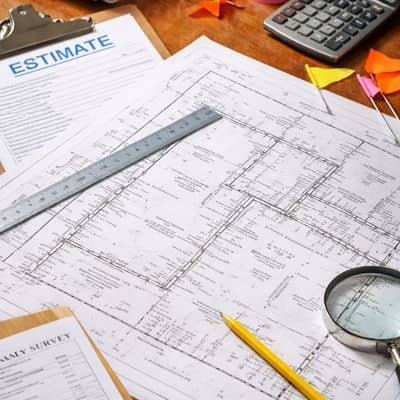
Instead of lining up prices only, compare what you are actually getting.
Look at the scope of work. Check the timeline. Review what deliverables you will receive. Also, confirm whether revisions are included if something changes.
When you compare quotes this way, the “best” option often becomes clear. Sometimes that means choosing a mid-range price that offers clarity and support, rather than the cheapest option.
When Paying More Is the Better Choice
There are times when a slightly higher price makes sense.
If the property is old, oddly shaped, or near roads or water, more work is needed. Construction projects also require higher accuracy. In these cases, cutting corners creates bigger risks.
Paying for experience and accuracy often prevents disputes, redesigns, and delays. In the long run, that saves money and stress.
Final Thoughts: Value Beats Cheap Every Time
Choosing a licensed land surveyor near me is not about finding the lowest number on a quote. It’s about finding the right professional for your specific needs.
When you focus on licensing, local experience, clear scope, and honest communication, you avoid overpaying in the ways that matter most. You get work that stands up to review, supports your project, and protects your investment.
Take a little extra time upfront. Ask questions. Compare values. That approach almost always leads to better results—and fewer regrets.