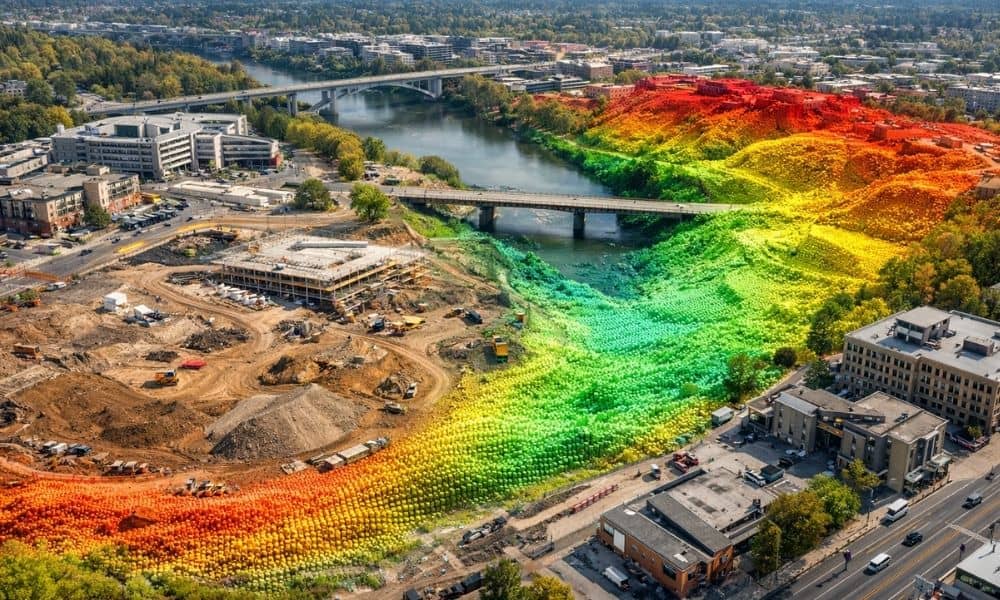
Rochester is seeing a shift in how roads, utilities, and new developments get planned. Instead of relying on older ground measurements, many projects now start with lidar mapping.
This change is happening because cities need more accurate land data before construction begins. Old records do not always match the real ground anymore. Some areas have changed through redevelopment, erosion, or new construction work.
Because of this, engineers and planners want a clearer view of the land before they design anything. That is where lidar mapping comes in. It gives a full view of the surface so teams can understand the site early.
How lidar mapping captures the real shape of the land
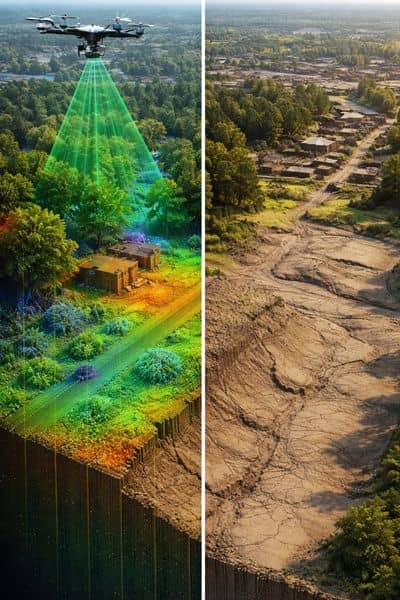
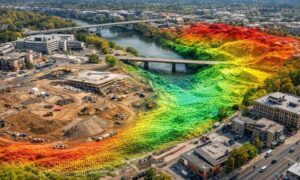
Lidar mapping uses laser pulses to measure the ground. These pulses bounce off surfaces like soil, pavement, buildings, and trees. The system collects millions of points in a short time.
All these points form a detailed 3D snapshot of the land. This is called a point cloud. It shows the exact shape of the surface without guessing or gaps.
From this data, engineers create a digital terrain model. This model removes buildings, trees, and anything above the ground. What remains is the bare earth.
This matters because construction design depends on how the ground behaves, not what is sitting on top of it.
Why cities are moving away from older survey methods
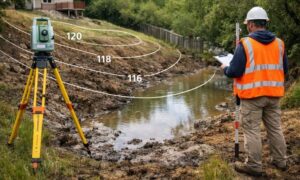
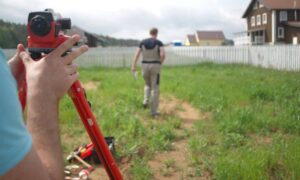
Traditional survey methods still work, but they rely on fewer data points. Survey crews measure selected locations across a site. Then they use those points to estimate the rest.
That approach can miss small changes in elevation. Those small changes can become big problems later in design or construction.
Lidar mapping reduces that risk. It captures the entire surface instead of selected points. This gives engineers a more complete understanding of the land before decisions are made.
In infrastructure projects, that difference matters. A missed slope or low area can affect drainage, road design, or foundation planning.
Why digital terrain models are now the standard output
A digital terrain model takes lidar data and turns it into something engineers can use. It shows the bare ground without objects or surface noise.
Engineers use these models to understand how water flows, how slopes behave, and how land will respond to construction.
In cities like Rochester, this is especially useful. The area has a mix of older industrial land and newer developments. Ground conditions are not always consistent across sites.
A digital terrain model gives a single clear surface that everyone on the project can use. That reduces confusion between teams and helps keep designs aligned.
How lidar mapping improves early project decisions
Before construction starts, teams need to make key decisions about grading, layout, and design. Lidar mapping supports those decisions by showing the true shape of the land.
If a site has uneven ground, engineers can adjust plans early. If drainage is a concern, they can redesign slopes before construction begins. If a road needs to connect different elevations, they can test options in the model first.
Without this data, these issues often show up later. That leads to redesigns, delays, and higher costs.
With lidar mapping, those problems can be seen early and handled before work begins on site.
Why this shift matters for Rochester infrastructure projects
Rochester has many redevelopment and infrastructure projects where accuracy is important. Older neighborhoods, industrial zones, and expanding areas all have different ground conditions.
Some parts of the city still rely on older elevation records. Others have changed due to construction, weather, or land use shifts.
Lidar mapping helps bring all of this into one updated view. It creates a consistent surface model that engineers can trust when planning new work.
This improves coordination between planners, engineers, and developers. Everyone works from the same ground data, which reduces misunderstandings during design.
What happens when lidar mapping is not used early
When projects start without detailed terrain data, problems often appear later. A design might look correct on paper but fail once the real ground is considered.
Small elevation differences can affect how water drains, how roads sit, or how foundations are placed. These issues are not always visible in early planning.
When they are discovered late, projects often need changes. That leads to delays, added costs, and redesign work.
Using lidar mapping early helps avoid these problems because it shows the real surface before decisions are locked in.
How engineering teams use lidar data in design work
Once lidar data is collected, engineers bring it into design software. There, it becomes part of the planning process.
They can test layouts, adjust grading, and check how different design options fit the land. This helps teams understand site behavior before construction starts.
It also improves communication. Survey data, engineering design, and planning models all connect to the same surface information. That keeps everyone aligned.
What this shift means for future development in Rochester
Rochester is part of a larger shift in infrastructure planning. More cities are moving toward digital terrain models because they reduce uncertainty at the start of a project.
Lidar mapping plays a central role in this change. It gives engineers a complete and accurate view of the land, which helps them design with more confidence.
As more projects adopt this approach, early-stage land data becomes one of the most important parts of development planning.
For developers and engineers, this means one thing. The success of a project now depends heavily on how well the land is understood before construction begins.